Responsible Adoption of Emerging Technologies: Lessons from the Frontlines
- Raegan Welch
- Feb 10
- 3 min read

As a Project and Technology Consultant with over 13 years of experience in complex IT and infrastructure programs, I've seen firsthand how emerging technologies can transform industries - like tolling systems evolving with AI-driven analytics and autonomous vehicle integrations. But I've also witnessed the pitfalls when adoption isn't handled responsibly. In my roles at HNTB, Arcadis, and even during my time in the U.S. Navy overseeing high-reliability systems, the key to success has always been balancing innovation with ethics, risk management, and stakeholder buy-in. In this post, I'll share practical insights on responsible adoption, drawing from best practices in the field to help leaders navigate this rapidly evolving landscape in 2026.
What Are Emerging Technologies?
Emerging technologies are those on the cusp of widespread application, often disrupting traditional processes while offering new efficiencies. Think artificial intelligence (AI), blockchain, Internet of Things (IoT), augmented reality (AR), and autonomous systems. These aren't just buzzwords; they're tools reshaping transportation, defense, and beyond. For instance, in transportation, AI optimizes traffic flow and predictive maintenance, while autonomous tech promises safer roads.
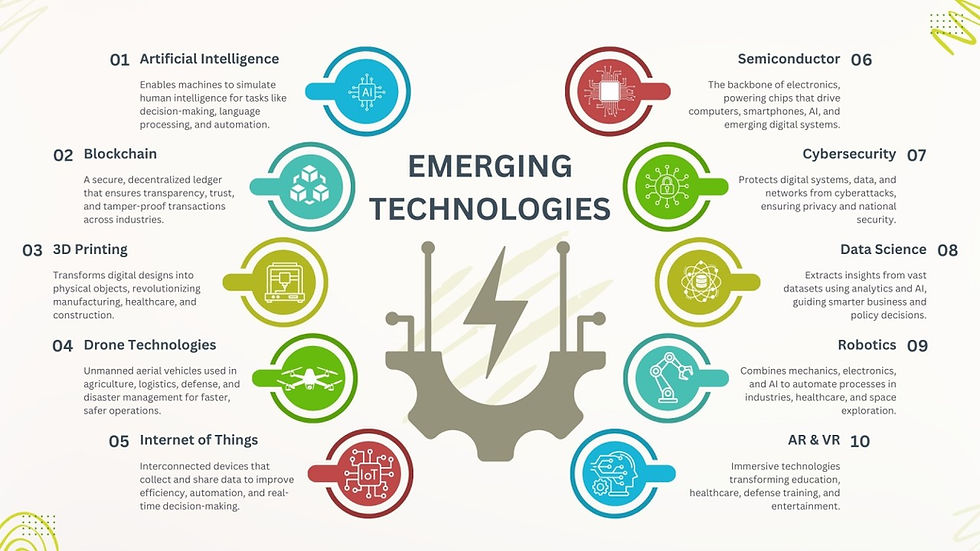
However, rushing into adoption without safeguards can lead to ethical dilemmas, data breaches, or operational failures. Responsible adoption means integrating these technologies thoughtfully, ensuring they align with organizational goals, comply with regulations, and prioritize human impact.
Why Responsible Adoption Matters
In today's fast-paced world, the allure of cutting-edge tech is strong, but the risks are real. Unchecked implementation can exacerbate biases (e.g., in AI algorithms), compromise privacy, or widen inequality gaps. On the flip side, done right, it drives innovation, boosts efficiency, and builds resilience. According to experts, organizations that embed responsibility from the start see faster scaling and better ROI, avoiding costly rework. From my experience managing toll system procurements, responsible approaches have ensured compliance and long-term reliability, turning potential disruptions into seamless integrations.
Key Best Practices for Responsible Adoption
Based on established frameworks and my own project lifecycles, here are five essential best practices to guide your organization's journey. These emphasize governance, collaboration, and continuous improvement - hallmarks of successful tech rollouts.
Assess Organizational Readiness and Define Your 'Why' Start by evaluating your current infrastructure, skills gaps, and strategic alignment. Ask: Does this tech solve a real problem? In my Navy days, we prioritized technologies that enhanced mission readiness, always tying them back to clear objectives. Best practices recommend playing "devil's advocate" to weigh pros and cons, ensuring buy-in from the top down. Conduct audits and pilot tests to gauge feasibility, much like I do when developing RFPs for toll projects.
Build Robust Governance and Ethical Frameworks Implement AI or tech governance levers early, including bias audits, privacy controls, and compliance checks. Responsible AI by design - integrating ethics into development - helps mitigate risks like unintended harm. In vendor quality oversight, I've used SLAs and KPIs to enforce these standards, fostering trust and accountability.
Foster Collaboration and Overcome Resistance Change management is crucial. Use "nudge theory" to encourage adoption through small, positive reinforcements, and provide hands-on training sandboxes. In cross-functional teams at Arcadis, transparent communication and stakeholder involvement turned skeptics into advocates, accelerating deployment.
Prioritize Continuous Monitoring and Iteration Adoption isn't a one-off; monitor performance with metrics like uptime and user feedback, then iterate. Hybrid approaches, like open-source tools, can reduce costs and enhance scalability. My QA/QC roles at HNTB involved ongoing audits and corrective actions, ensuring systems evolved responsibly.
Cultivate a Culture of Learning and Resilience Encourage upskilling through workshops and dedicate resources to maintenance. Principles like discursive channels - open dialogues between leaders and teams - build operational resilience. In my volunteer work with nonprofits, this mindset has aligned tech strategies with mission goals, proving its value beyond corporate settings.

A Personal Case Study: Applying These in Toll Technology
In a recent project at HNTB, we adopted AI for predictive maintenance in toll systems. By assessing readiness first, establishing ethical data guidelines, and training teams iteratively, we reduced downtime by 20% while ensuring compliance. This mirrors broader trends: Responsible adoption not only mitigates risks but amplifies impact.
Final Thoughts
Emerging technologies hold immense promise, but responsible adoption is the bridge to sustainable success. As leaders, we must champion ethical, collaborative approaches to harness their full potential. If you're embarking on a tech transformation, start small, stay vigilant, and always prioritize people. I'd love to hear your experiences -share in the comments or connect with me on LinkedIn. For more insights, check out my portfolio at raeganwelch.com.
Raegan Welch, MBA, CACM
February 10, 2026


Comments